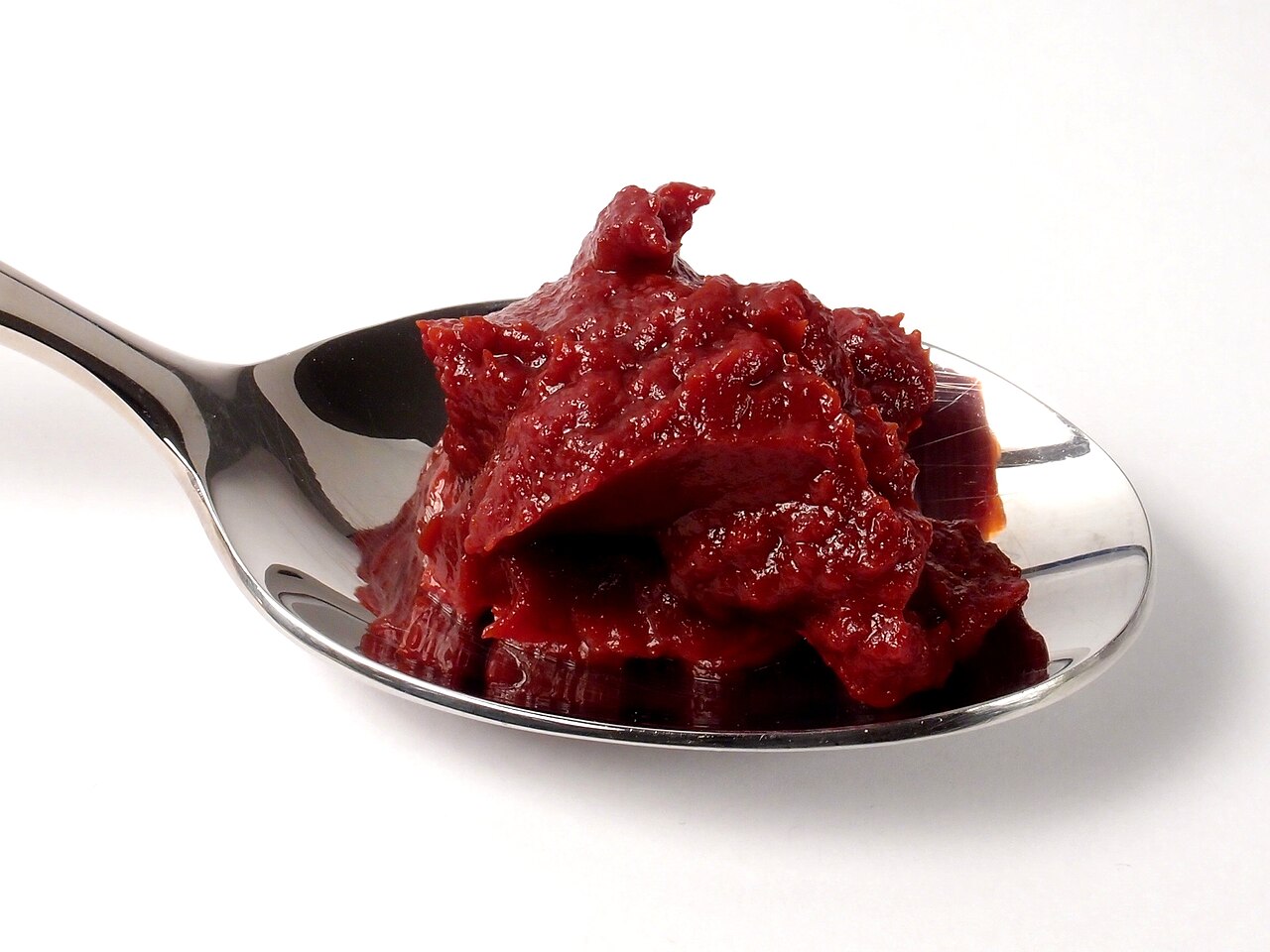
Preserve Garden Tomatoes: Make Superior Homemade Tomato Paste
As the summer garden bursts with ripe, juicy tomatoes, many home cooks find themselves dreaming of ways to capture that vibrant, fresh flavor for months to come. While canning diced tomatoes or making marinara sauce are popular choices, there's one culinary transformation that elevates your garden bounty to an entirely new level: making homemade tomato paste. If you've ever wondered how to make tomato paste that far surpasses anything you can buy in a store, you're in for a treat. This article will guide you through creating a rich, intensely flavorful concentrate that will become an indispensable staple in your kitchen.
Why Homemade Tomato Paste Reigns Supreme
For many, the idea of making tomato paste from scratch might seem daunting, or perhaps even unnecessary given its widespread availability in cans or tubes. However, a single taste of homemade paste will quickly convert even the most skeptical cook. Here's why the homemade version is undeniably superior:
- Unmatched Flavor Depth: Store-bought tomato paste, while functional, often lacks the bright, nuanced, and deeply concentrated umami flavor of a homemade batch. When you make it yourself, you control the entire process, allowing the natural sweetness and acidity of the tomatoes to shine through, creating a flavor profile that's both robust and incredibly complex. It's a taste that speaks of slow cooking and pure ingredients.
- Ingredient Control: Commercial tomato pastes can sometimes contain added sugars, citric acid, or other preservatives. With homemade paste, you know exactly what goes into it: essentially just fresh tomatoes, a touch of olive oil, and perhaps a bay leaf for aromatics. This purity allows the true essence of the tomato to dominate.
- Preserving a Legacy: For many, making tomato paste is a cherished tradition, passed down through generations. Much like my grandmother, who always transformed her garden's yield into this rich condiment, continuing this practice connects you to a culinary heritage and the satisfying rhythm of seasonal cooking.
- Economic & Sustainable: If you have a bumper crop of tomatoes, especially paste varieties like Roma, making your own paste is an incredibly cost-effective way to preserve their goodness, preventing waste and ensuring you have a high-quality ingredient at your fingertips all year.
Homemade tomato paste isn't just an ingredient; it's a flavor enhancer, a color intensifier, and a thickening agent all rolled into one. It's truly a kitchen powerhouse, ready to infuse your sauces, soups, and stews with unparalleled richness.
The Simple Steps to Superior Homemade Tomato Paste
The process of making tomato paste is less about complex techniques and more about patience and a gentle reduction. Here’s a detailed guide on how to make tomato paste that will elevate your cooking:
1. Prepare Your Tomatoes
Start with the right tomatoes. While any tomato can technically be used, paste varieties like Roma, San Marzano, or Amish Paste are ideal. They have thicker walls, fewer seeds, and lower water content, meaning less cooking time for reduction. Wash your tomatoes thoroughly and roughly chop them. Don't worry about perfect uniformity; they'll be processed later.
2. Initial Cook and Softening
In a very large, heavy-bottomed pot or Dutch oven, heat a tablespoon or two of olive oil over medium heat. Add your chopped tomatoes. Simmer for about 20-30 minutes, stirring occasionally. The goal here is to soften the tomatoes significantly, allowing them to break down and release their juices.
3. Remove Skins and Seeds
Once the tomatoes are soft and collapsed, it’s time to remove the skins and seeds for a smooth, velvety paste. The most efficient tool for this is a food mill. Simply pass the cooked tomatoes through the food mill, and it will separate the pulp from the undesirable skins and seeds, discarding the latter. If you don't own a food mill, you can use a blender: blend the cooked tomatoes until smooth, then strain the puree through a fine-mesh sieve, pressing out as much liquid as possible with a spoon or spatula. Discard the solids left in the sieve.
4. The Reduction: From Puree to Paste
Return your smooth tomato puree to the clean pot. This is where the magic (and patience!) happens. Add a bay leaf or two for subtle aromatic notes, and optionally, a pinch of salt (you can adjust seasoning later). Bring the puree to a very gentle simmer over low heat. This stage requires significant time – typically 1.5 to 2 hours, but it can extend much longer depending on your batch size and tomato water content. The key is slow evaporation.
Preventing Burns: As the mixture thickens, it becomes more prone to sticking and burning. Stir frequently, especially as the volume reduces, scraping the bottom of the pot. Reduce the heat further if necessary. A heavy-bottomed pot helps distribute heat more evenly and reduces scorching. You're looking for a thick, concentrated, brick-red paste that holds its shape on a spoon and no longer releases excess liquid. The texture should be shiny and dense, reminiscent of commercial paste.
5. Final Touches and Cooling
Once your paste reaches the desired consistency, remove it from the heat and discard the bay leaves. Taste and adjust seasoning with salt and perhaps a tiny pinch of sugar if your tomatoes were particularly acidic. Allow the paste to cool completely before storing.
Mastering Storage: Preserve Your Paste for Year-Round Enjoyment
One of the greatest benefits of learning how to make tomato paste is the ability to preserve it for long-term use. Proper storage ensures you have that rich flavor whenever inspiration strikes.
Freezing for Convenient Portions
Freezing is arguably the easiest and most convenient method for home cooks, allowing you to access small, usable portions without thawing an entire batch:
- Using Molds: For perfectly portioned paste, a silicone ice cube tray or a brownie mold is ideal. You can pipe the paste into the cavities using a pastry bag (or a resealable plastic bag with a corner snipped off) or simply spoon it in.
- Freezing Solid: Place the mold in the freezer until the tomato paste portions are completely solid.
- Removing & Storing: Once frozen, the portions will easily pop out of the flexible silicone molds. Transfer them to an airtight freezer-safe container or a heavy-duty freezer bag. Each cube or square typically equates to roughly 1 tablespoon, making it incredibly convenient for recipes.
- Portioning Without Molds: If you don't have molds, simply drop 1-tablespoon portions of cooled paste onto a silicone baking mat or parchment-lined baking sheet using a spoon or a piping bag. Freeze until solid, then transfer the frozen "blobs" to an airtight container.
Frozen tomato paste can last for up to 6-9 months, retaining its vibrant flavor and texture.
Canning for Shelf Stability
For ultimate shelf stability, canning is an excellent option. However, it requires adherence to proper canning procedures to ensure safety. Pack the cooled paste into sterilized canning jars, leaving appropriate headspace. Process the jars in a boiling water bath or pressure canner according to tested canning guidelines for tomato products. Always consult a reliable canning resource for specific processing times based on jar size and altitude.
Beyond the Basics: Tips for Success & Culinary Uses
Making your own tomato paste is a rewarding endeavor, and a few extra tips can ensure your success:
- Patience is a Virtue: The reduction phase is crucial and cannot be rushed. Low and slow is the mantra. Resisting the urge to crank up the heat will prevent burning and develop the deepest flavor.
- Choosing Your Tomatoes: As mentioned, paste tomatoes are best. For maximum flavor, use fully ripe, in-season tomatoes. Overripe tomatoes are fine, but avoid any with mold or rot.
- Seasoning: While salt can be added during cooking, it's often best to add the bulk of your seasoning after reduction, as the flavor will be much more concentrated. Freshly ground black pepper can also enhance the final product.
- Alternative Reduction Method: For a more hands-off approach, after the initial puree, you can spread the tomato puree thinly on a baking sheet and bake it in a low oven (around 250-300°F / 120-150°C) for several hours, stirring occasionally, until it reaches the desired consistency. This can prevent scorching on the stovetop.
Now that you know how to make tomato paste and store it, what can you do with this concentrated goodness? The possibilities are endless! It's an essential ingredient in classic Italian dishes like Bolognese, marinara sauce, and pizza sauce, adding an incredible depth of flavor that a can of crushed tomatoes alone simply can't achieve. It’s also fantastic for enriching stews, chilis, braising liquids for meats, and even homemade condiments like ketchup or BBQ sauce. A small dollop can transform a simple pan sauce or add a savory boost to vegetable dishes. For more insights into making this kitchen staple, check out our guide on Unlock Rich Flavor: Easy 3-Ingredient Homemade Tomato Paste.
Making your own tomato paste is more than just a recipe; it's a culinary journey that connects you to your food and empowers you to create exceptional flavors in your kitchen. Once you experience the profound depth and sweetness of homemade tomato paste, you'll understand why store-bought versions will no longer be an option. So, embrace the season, grab those garden tomatoes, and embark on this delicious and rewarding adventure!
